
 Published on: May 24, 2026
 Category:
Blog Series | Fear Anxiety Phobia
Category:
Blog Series | Fear Anxiety Phobia
Dogs communicate constantly through body language, behavior patterns, and subtle responses that can be difficult for many dog owners and guardians to recognize. One of our focuses as reward-based, relationship-based trainers is improving communication between you and your dog. Understanding your dog’s behavior and knowing when to reach out to us for help are important elements of building the life you imagined with your dog. If you want thoughtful, ethical, and science-informed support, understanding these emotional states is a big step towards behavioral wellness and lasting happiness, for you and your dog.
Let’s talk about anxiety, fear, and phobias.
Understanding the Difference: Fear, Anxiety, and Phobia
Although these terms are often used interchangeably, they describe different emotional experiences. If your dog is experiencing any of the following in a way that impacts her quality of life, or yours, please reach out to us. We can help.
Fear
Fear is a normal emotional response to a perceived threat and can be healthy and adaptive. It helps a dog avoid danger and often involves distance-increasing behaviors such as moving away or growling and snapping in an effort to get the fear-causing target, such as a scary human or another dog, to move farther away. A dog who startles at a loud noise, avoids a stranger, or backs away from an unfamiliar object is displaying fear. If it’s frequent, pervasive, or affecting your quality of life, or your dog’s, please contact us for help.
Anxiety
Anxiety is more generalized and focused on the future. An anxious dog may worry about what’s going to happen, even when no immediate threat is present. Anxiety isn’t inherently bad. We, and our dogs, need it to keep us safe from things we know could happen, things that could be dangerous. But if it’s excessive, your dog doesn’t return to normal within a reasonable amount of time, or is out of proportion to the potential threat, it’s becoming unhealthy and is likely affecting your and your dog’s quality of life. This is a good time to reach out for help, though any point in the process is okay to contact us.
Signs of anxiety include:
- Pacing before guests arrive
- Hypervigilance during walks
- Difficulty settling indoors
- Constant scanning of the environment
- Excessive attachment behaviors
Phobia
A phobia is an intense, out-of-proportion fear response that can severely impact the quality of life for you and your dog. These are generally obvious to owners and guardians, and a likely reason you may seek help. Don’t be fooled, though – fear doesn’t have to get to this level to affect your dog’s welfare or your quality of life. That said, phobias are not “overreactions.” They are panic-level emotional events for the dog experiencing them and need serious intervention for treatment. If your dog is experiencing them, you should reach out to us for help.
Common canine phobias include:
- Thunderstorms
- Fireworks
- Veterinary visits
- Car travel
- Slippery floors
- Men, children, or other dogs after traumatic experiences

The Subtle Signs Most Owners Miss
Many anxious dogs are misunderstood because they are not outwardly destructive or reactive. Stress signals can be quiet and nuanced, too. They don’t always look like a big, scary dog ready to bite.
Early signs of emotional distress may include:
- Lip licking when no food is present
- Yawning outside of tiredness
- Whale eye (showing the whites of the eyes)
- Sudden sniffing or displacement behaviors
- Panting in cool temperatures
- Excessive shedding during stressful moments
- Refusing treats in stimulating environments
- Slow movement or freezing
- Dilated pupils
- Trembling
- Tight facial muscles
- Repetitive behaviors
These signals often precede more serious behavioral issues, and we highly recommend seeking help if you notice a pattern. A dog who growls, lunges, or snaps rarely does so “out of nowhere.” In many cases, subtle communication was overlooked long before the behavior intensified.
Why Punishment Makes Fear Worse

First, and most importantly, we want you to know there is no judgment here. Most of us have been taught to punish our dogs when they act out at some point in our past, including the staff here at Insight and Instinct. We are here to help, not to nag or judge you for doing your best in difficult, sometimes impossible situations, or even for losing your cool sometimes. We understand, and our goal here is to help you and your dog live the life you imagined.
So, no judgment. Not now, and not ever.
Dogs experiencing fear or anxiety are not making calculated choices to misbehave. Their nervous systems are responding to perceived danger.
Punishment-based training methods — including leash corrections, intimidation, yelling, or electronic collars — may suppress outward behavior temporarily while worsening the underlying emotional state. When a dog learns that expressing discomfort leads to punishment, warning signals may disappear altogether. The dog skips walking away, skips the whale eye, skips the growling, and goes straight to biting, because he doesn’t think you’ll listen to the other attempts at communication. This creates a more unpredictable and potentially dangerous situation.
Reach out to us sooner, rather than later.
At Insight and Instinct, our philosophy is grounded in:
- Rewards-based behavior modification
- LIMA principles (Least Intrusive, Minimally Aversive)
- Emotional safety
- Communication
- Evidence-based learning science
- Relationship-building
- Solutions that fit your life
Our goal is not simply obedience. It is resilience, confidence, and trust, and the life you imagined with your dog.
Common Lifestyle Contributors to Anxiety
Behavior does not happen in isolation. Lifestyle, environment, genetics, health, and learning history all matter. Factors that frequently contribute to chronic stress include:
- Lack of decompression opportunities
- Over-socialization
- Inconsistent boundaries
- Unpredictable schedules
- Chronic exposure to high-stimulation environments
- Insufficient species-appropriate enrichment
- Sleep deprivation
- Repeated flooding or forced exposure
- Pain or untreated medical conditions
- Significant stress or change in the owner’s life
The Importance of Early Intervention
Fear-based behavior rarely resolves through “getting used to it.” In fact, repeated exposure without emotional support can further sensitize dogs, making their reactions more intense over time. Thoughtful behavior work focuses on changing emotional associations — not forcing tolerance.
Early intervention allows for:
- Faster recovery
- Reduced stress hormones
- Improved coping skills
- Greater social flexibility
- Better long-term outcomes
What Effective Support Actually Looks Like
Ethical behavior consulting is not about dominance, alpha theory, or forcing obedience under pressure.
A sophisticated, individualized behavior plan may include:
- Environmental management
- Trigger identification
- Reinforcement-based skill building
- Consent-based handling
- Confidence-building exercises
- Structured decompression
- Predictability and routine
- Collaborative veterinary support when appropriate
- Supports that meet your life’s unique and specific needs
For severe anxiety or phobias, behavior modification may also involve veterinary behavior medicine. Supporting mental health is not a failure — it is responsible care.
Your Dog’s Behavior Is Communication
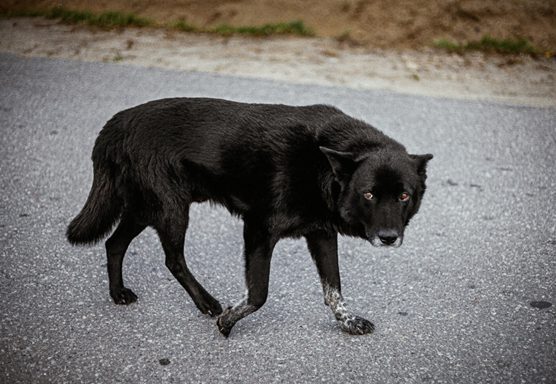
One of the most transformative shifts owners can make is viewing behavior through the lens of communication rather than control. The anxious dog hiding behind your legs, the reactive dog barking at the end of the leash, the dog refusing to enter the veterinary clinic, the dog who “suddenly” growls during handling: These are not signs of a disobedient dog. They are emotional experiences asking to be understood.
At Insight and Instinct, we believe exceptional behavior consulting and training combine science, intuition, observation, and compassion. When dogs feel safe, heard, and supported, meaningful behavior change becomes possible — not through force, but through science-backed, reward-based methods that build trust and communication and solve real-world problems for you and your dog.
About the Author
Benjamin Hartwell has studied canine behavior extensively and now practices in the greater Cleveland area and virtually across the nation, and is a co-founder and Executive Director of Bailey’s Fund, a charitable organization dedicated to preserving dog-human families suffering from adverse social determinants of health. He can be reached at insightandinstinctpets.com and Bailey’s Fund — Every Dog Deserves a Second Chance.
3 thoughts on “Anxiety, Fear, and Phobias in Dogs: When Should You Reach Out to Us for Help?”